Corporate Animation Trends Transforming Business Stories
Businesses are rethinking how they communicate with audiences, and corporate animation has become central to this shift. Visual storytelling through animated content offers brands a way to explain complex ideas, showcase values, and build emotional connections that static content simply can't match. Corporate animation techniques are evolving rapidly, with new approaches and technologies redefining what's possible in animated business communication.
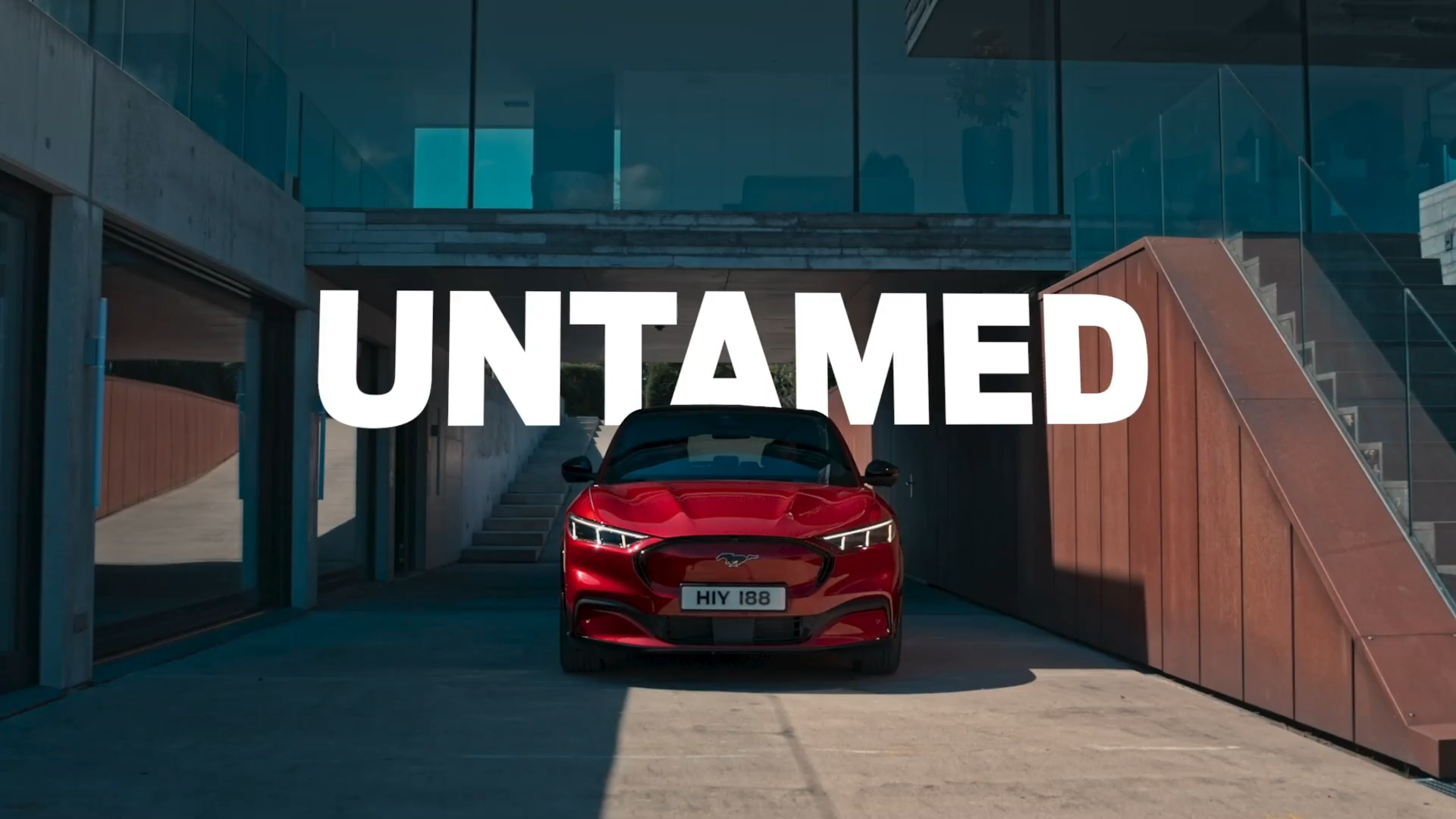
The corporate animation sector is experiencing significant evolution as brands seek more engaging ways to deliver their messages. Companies across industries are investing in animated content to stand out in crowded digital spaces, with motion graphics, character-driven narratives, and data visualisation becoming standard tools in the modern marketer's arsenal. This shift reflects a broader understanding that audiences respond more positively to visual content.
The Rise of Minimalist Design Language
Clean Aesthetics Dominate Visual Communication: Brands are moving away from overly complex animations towards simplified, focused visual approaches. This trend reflects audience preferences for content that communicates the message quickly without overwhelming viewers. Stripped-back colour palettes, geometric shapes, and intentional use of negative space create memorable impressions whilst reducing production complexity. The minimalist approach works particularly well for explaining services or products where clarity matters more than visual spectacle.
Micro-Animations Enhance User Experience: Small, purposeful movements are replacing elaborate transitions in corporate content. These subtle animations guide attention, provide feedback, and create smoother interactions across digital platforms. Think progress indicators, hover effects, or loading sequences that keep viewers engaged during brief moments of waiting. The psychology behind these micro-movements is simple: they reassure users that something is happening, reducing frustration and abandonment rates.
AI-Powered Animation Production
Automated Workflows Speed Up Delivery: Artificial intelligence tools are changing how animation studios approach corporate projects. Machine learning algorithms can now handle repetitive tasks like in-betweening, colour matching, and basic motion patterns, freeing creative teams to focus on storytelling and strategy. This doesn't mean AI is replacing animators; rather, it's becoming a collaborative tool that handles technical grunt work whilst humans make creative decisions.
Personalisation at Scale Becomes Viable: AI enables brands to create multiple versions of animated content tailored to different audience segments. A single corporate video can be automatically adjusted for various demographics, markets, or platforms without starting from scratch each time. This level of customisation was previously too expensive and time-consuming for most businesses, but automation is making it accessible to companies beyond enterprise-level budgets.
Data Visualisation Through Motion
Complex Information Becomes Digestible: Corporate animation excels at transforming dense data sets into understandable visual narratives. Annual reports, market research findings, and performance metrics gain clarity when presented through animated charts, graphs, and infographics. Movement helps viewers follow trends, compare data points, and grasp relationships between variables that spreadsheets fail to communicate effectively. The key is balancing accuracy with accessibility.
Real-Time Data Integration Creates Dynamic Content: Some brands are experimenting with animations that pull live data feeds, creating content that updates automatically. Stock prices, sales figures, or social media metrics can be visualised in real-time, making corporate communications feel current and responsive. This approach works particularly well for investor presentations, dashboard displays, and public-facing performance updates where timeliness adds credibility.
Character-Driven Corporate Narratives
Mascots and Personas Build Brand Identity: Animated characters are making comebacks in corporate settings, but with more sophistication than previous generations. These aren't childish cartoons; they're carefully designed personas that embody brand values and make abstract concepts relatable. A well-crafted character can guide viewers through complex processes, demonstrate product benefits, or personify company culture in ways that feel approachable rather than corporate and distant.
Emotional Storytelling Techniques Include:
- Relatable scenarios that mirror customer challenges and demonstrate solutions through narrative arcs.
- Subtle facial expressions and body language that convey empathy and understanding without dialogue.
- Character development across multiple content pieces to create familiarity and build audience investment.
- Conflict and resolution structures that keep viewers engaged whilst delivering key messages naturally.
3D Animation in Corporate Contexts
Dimensional Depth Adds Credibility: Three-dimensional animation is no longer reserved for big-budget productions. Accessible software and cloud rendering make 3D viable for corporate explainers, product demonstrations, and brand films. The added depth creates a sense of substance and professionalism that flat graphics sometimes lack, particularly when showcasing physical products or architectural concepts where spatial relationships matter.
Interactive Elements Engage Audiences: Some corporate animations now incorporate interactive components, allowing viewers to control camera angles, explore product features, or choose their narrative path. This level of engagement transforms passive viewing into active participation, increasing time spent with content and improving information retention. The technology requires more planning and budget, but engagement metrics often justify the investment.
Conclusion
Corporate animation continues evolving as technologies advance and audience expectations shift. Brands that embrace these trends position themselves to communicate more effectively, whether through minimalist design, AI-enhanced production, data visualisation, character narratives, or dimensional depth.
The companies gaining traction aren't necessarily spending more on animation; they're spending smarter by choosing approaches that resonate with their specific audiences. If your brand stories aren't connecting or your messages feel lost in digital noise, exploring these animation trends might provide the competitive edge you need to break through and build lasting audience relationships.

